
Preparing the materials for MOJITO’s hybrid calcination process
Developing a new approach to lime production requires an understanding of both the technology supplying the heat and the materials undergoing the transformation. Following the introduction of MOJITO’s hybrid rotary kiln concept, the next step is to look more closely at the materials entering the process and the experimental work needed to investigate their behaviour. From characterising limestone and carbonaceous additives to preparing mixtures and analysing the products, these activities will help establish whether combining electric and microwave heating can reduce energy demand while maintaining lime quality.
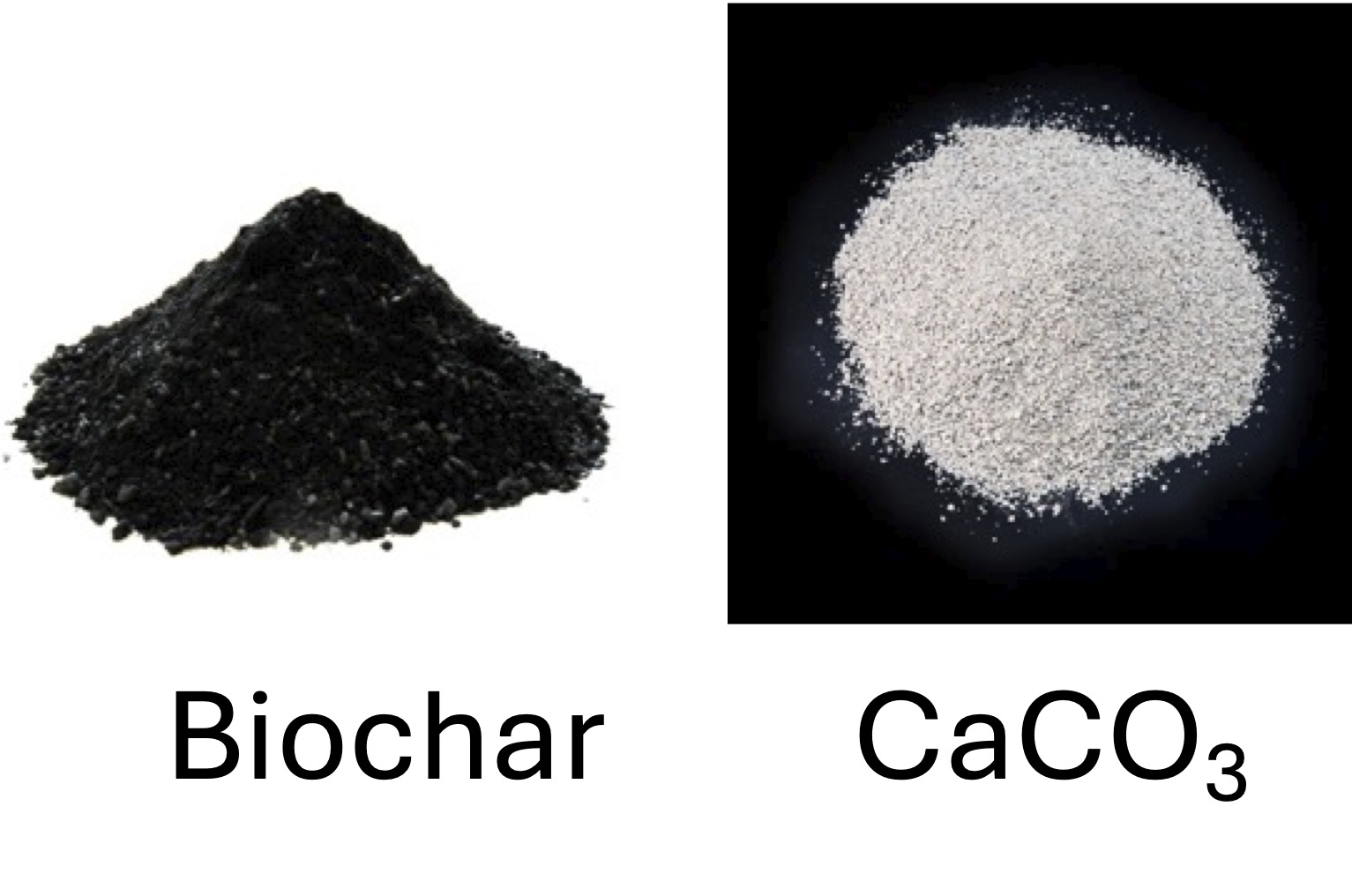
The starting point is calcium carbonate, the main component of limestone. During calcination, it is converted into calcium oxide, commonly known as quicklime, releasing carbon dioxide. This transformation is central to the challenge addressed by MOJITO: producing lime requires energy, but it also generates CO₂ through the chemical reaction itself. The project therefore brings together research on heating methods, material behaviour and the collection of process gases.
The University of Bologna, which coordinates MOJITO, leads the materials analysis activities. This work covers the characterisation of input materials and the products obtained through experimental testing, providing the information needed to connect the properties of the feedstock with its behaviour during processing. Studying the materials before and after calcination will help researchers interpret the transformation and assess how different operating conditions influence the resulting lime.
Alongside carbonate feedstocks, MOJITO investigates carbonaceous additives, including biochar and waste-derived carbon materials. These additives have a specific function within the hybrid heating concept: they are studied for their ability to enhance the absorption of electromagnetic energy and convert microwave energy into heat. Understanding their interaction with the carbonate material is therefore an important part of evaluating the process.
The research will examine whether this combination can support more favourable calcination conditions and lower energy consumption while preserving the characteristics required of the final product. These are objectives to be tested experimentally. The selection and characterisation of materials will provide a basis for assessing the contribution of the additives and understanding differences between experimental outcomes.
Preparing mixtures for calcination tests connects this materials research with the operation of the experimental system. The carbonate feedstock and carbonaceous component must be brought together within a defined experimental framework, supported by records of the materials used and the preparation procedures. This documentation, together with protocols for collecting process data, will help researchers compare tests and interpret the behaviour observed during heating. It will also allow the characteristics of the products to be considered in relation to both the starting mixture and the conditions applied.
Fraunhofer UMSICHT leads the work on the experimental system, from its configuration and commissioning to operational testing. Its contribution will provide the equipment and operating framework needed to investigate the mixtures under electric heating, microwave-assisted heating and combined conditions. The planned laboratory-scale rotary kiln is designed to process up to five kilograms of material per hour, supporting experimental campaigns that connect materials preparation with controlled processing.
The relationship between the partners’ activities is central to this approach. Materials analysis led by the University of Bologna will help interpret the feedstocks and products, while the experimental work led by Fraunhofer UMSICHT will generate information on their behaviour during processing. Bringing these findings together will support comparisons of energy consumption, reaction progress and product characteristics across the different heating modes.
The experimental system will also include provisions for collecting and analysing the gases released during calcination. Operation in an airtight environment, with CO₂ directed to an external vessel, will connect the study of the solid materials with the management of process emissions. This is part of MOJITO’s wider aim of developing a process that enables subsequent carbon utilisation or storage.
In parallel, the University of Bologna leads computational modelling activities that will investigate calcium carbonate conversion at the atomic scale, including the role of biochar. These simulations will complement the experimental work by exploring the mechanisms underlying the transformation. Together, materials characterisation, mixture preparation, operational testing and modelling will build the evidence needed to evaluate MOJITO’s hybrid calcination concept and guide its development towards lower-carbon lime production.